Easy Spider Web Rain Droplet Suncatcher Free Pattern
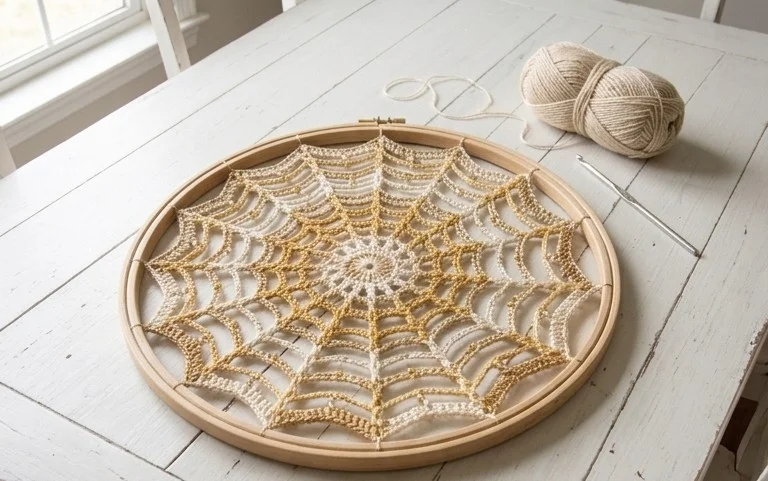
Glass beads catch the morning sun while lightweight cotton threads form a delicate geometric pattern reminiscent of morning dew trapped in a spider web. This suncatcher brings a touch of nature inside, fitting nicely into a window frame or hanging from a curtain rod to cast soft shadows across a room. Crocheting this piece feels meditative because the design builds outward from a central point, making it a relaxing project for a quiet weekend afternoon. You will practice working in the round using simple chain loops and slip stitches to create the open, lacy effect that defines this airy wall hanging.
Why You’ll Love This Pattern
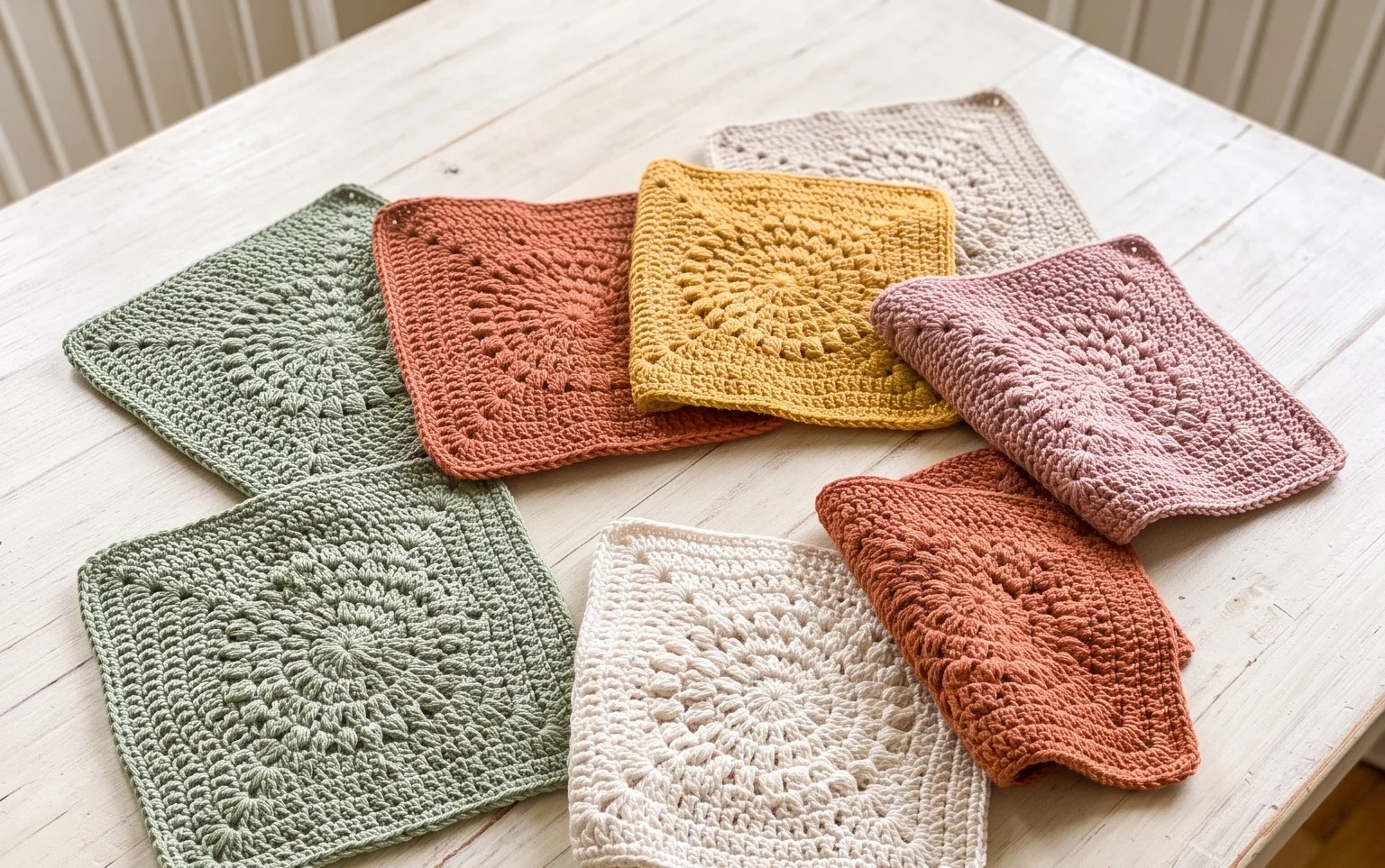
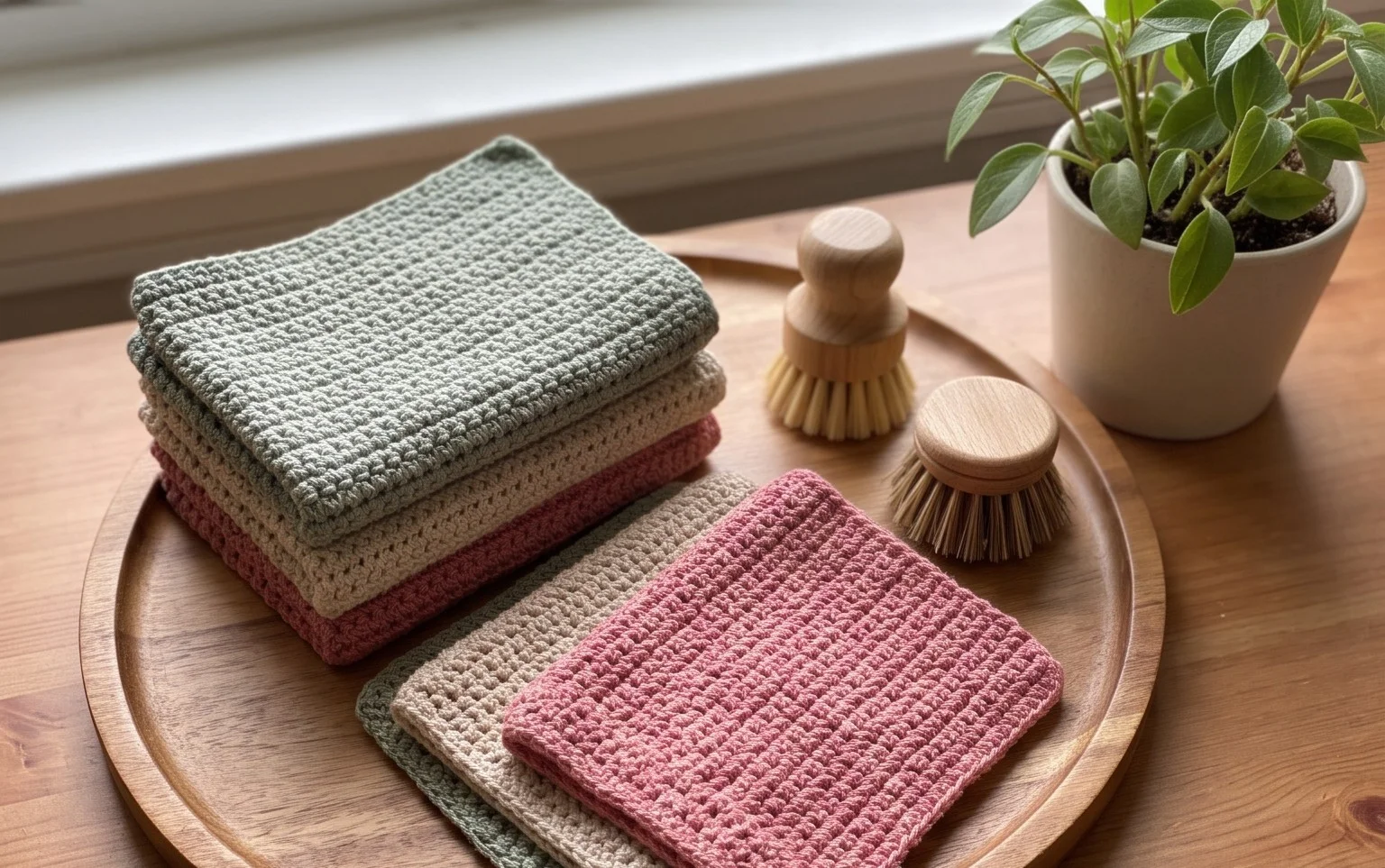
This crochet project produces a classic, functional cotton washcloth that works up quickly using simple, repetitive stitches. It is an excellent choice for beginners practicing their tension because the fabric creates a balanced, square shape without complex shaping or increases. Because the design uses a basic stitch pattern, you can finish one cloth in about an hour, making it an ideal gift or a quick way to use up leftover yarn from your stash. Cotton fiber is the preferred choice here because it remains durable after many cycles through a washing machine and provides a light scrub texture.
I managed to finish a set of these in a single afternoon. The instructions are very clear for a beginner, and they look professional enough to wrap up as housewarming gifts.
— Sarah, hobbyist crocheter
Pattern Overview & Skill Level
- Skill Level: Beginner
- Approximate Time: 60 to 90 minutes per washcloth
- Construction: Worked in flat rows starting from a foundation chain
- Finished Dimensions: 8 inches by 8 inches
Materials & Supplies Needed
- Yarn: Worsted weight (#4) 100% cotton yarn, approximately 60 yards per washcloth.
- Hook Size: 5.0 mm (H-8).
- Notions: Tapestry needle for weaving in ends, a pair of scissors.
- Yarn substitutions: You may use a cotton-acrylic blend, though it will be less absorbent than 100% cotton. Avoid wool or synthetic acrylic as they lack the necessary absorbency for a washcloth.
Stitch Guide & Abbreviations (US Terms)
- ch = chain
- st/sts = stitch/stitches
- sc = single crochet: Insert hook into stitch, yarn over, pull up a loop, yarn over, pull through both loops on hook.
- dc = double crochet: Yarn over, insert hook into stitch, yarn over, pull up a loop, yarn over, pull through two loops, yarn over, pull through remaining two loops.
- turn = turn your work to prepare for the next row.
Step-by-Step Pattern Instructions
Washcloth Foundation
The texture of this washcloth is created by alternating single crochet and double crochet stitches within the same row.
- Row 1: Ch 30. Sc in the second ch from the hook and each ch across. (29 sts)
- Row 2: Ch 1, turn. Sc in the first st, dc in the next st, [sc in next st, dc in next st] repeat across until 1 st remains, sc in the last st. (29 sts)
- Rows 3 to 28: Repeat Row 2 until the piece measures 8 inches square. (29 sts)
- Final Row: Ch 1, turn. Sc in each st across the row. (29 sts)
Finishing
Fasten off your yarn, leaving a 6-inch tail. Use your tapestry needle to weave the yarn tail securely into the back of the work, moving back and forth through the stitches to prevent unraveling during washing. Clip any remaining excess yarn.
Care & Washing Instructions
- Machine wash in warm water on a gentle cycle with like colors.
- Tumble dry on low heat or lay flat on a clean towel to air dry to maintain shape.
- If the corners curl after drying, lightly steam with an iron or press with a damp cloth to flatten the edges.
Pro Tips & Common Mistakes to Avoid
Keep your tension consistent throughout the rows to prevent the washcloth from looking distorted or having wavy edges. If you find your piece is growing wider as you go, you are likely accidentally adding stitches at the ends of the rows; count your stitches after every row to ensure you maintain the 29-stitch count. When weaving in your ends, run the needle through the center of the stitches rather than the gaps to make the tail invisible and secure. To adjust the size of the washcloth, simply add or subtract chains at the start, ensuring you use an odd number to maintain the stitch pattern; keep in mind that changing the size will require more or less yardage accordingly.
Frequently Asked Questions
Can I use a larger hook size than suggested?
Yes, you can use a larger hook, but it will create a looser, more open fabric with larger gaps between stitches. This is fine for decorative items, but for a washcloth, it may feel less sturdy during use.
How do I know if I am using the right type of cotton?
Check the yarn label for 100% cotton or a high-cotton content blend. Avoid “mercerized” cotton if you prefer a softer, more absorbent feel, as mercerized cotton tends to be stiffer and less water-absorbent.
Is this pattern suitable for selling at craft fairs?
You are welcome to sell finished items made from this pattern. I ask that you use your own photos and credit the pattern source if you list them online, but please do not sell or distribute the pattern itself.
What should I do if I run out of yarn mid-row?
Do not pull the row out. Simply join a new strand of yarn using a secure knot (like a Russian join or a magic knot) or by overlapping the tails of the old and new yarn for several stitches, then weaving the ends in securely later.
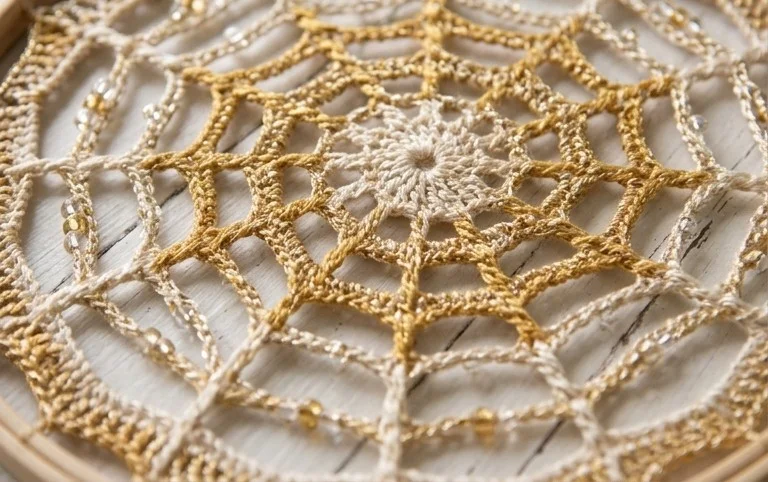
Seeing your finished suncatcher catch the light for the first time brings a real sense of accomplishment to your creative space. You can easily experiment with the look by switching to a metallic thread for a glamorous effect or adding crystal beads to the bottom to represent heavier drops of water. Please post a photo of your work on Instagram so others can see how your color choices turned out. Browse the rest of my site for more free crochet patterns to keep your hands busy during the week.