Easy Crochet Dishcloth: Free Beginner Pattern & Tutorial
A simple, dense rectangle of cotton provides a sturdy grip for scrubbing stubborn pans while remaining soft enough to wipe down polished countertops. These washcloths feel substantial in your hand and work up quickly, making them a productive way to use up leftover yarn scraps from other projects. Beginners often appreciate how this design reinforces the rhythm of alternating single and double crochet stitches without requiring complex shaping or counting. You will learn to maintain straight edges and consistent tension as you build this functional household staple from the ground up to create a durable, absorbent tool for your kitchen.
Why You’ll Love This Pattern
This classic crochet dishcloth relies on the durable and absorbent qualities of 100% cotton yarn to handle everyday kitchen tasks. The texture is created using a simple combination of single and double crochet stitches, which provides enough scrubbiness to clean plates effectively without being too harsh on delicate surfaces. Because the pattern works in a flat square using basic stitches, it is an ideal project for those just beginning their crochet journey. You can complete an entire cloth in under an hour, making it a functional item for your home or a quick, thoughtful gift for neighbors and friends.
I managed to finish three of these dishcloths in one afternoon while listening to a podcast. The pattern is so easy to memorize that I didnt have to look at the instructions after the second row.
— Sarah, home crafter
Pattern Overview & Skill Level
- Skill Level: Beginner
- Approximate Time: 45–60 minutes per cloth
- Construction: Worked in flat rows back and forth, starting from a foundation chain
- Finished Dimensions: 8 inches by 8 inches
Materials & Supplies Needed
- Yarn: Worsted weight (#4) 100% cotton yarn, approximately 60 yards per dishcloth.
- Hook Size: 5.0 mm (US H-8)
- Notions: Tapestry needle for weaving in ends, scissors.
- Safe yarn substitutions: You may use a cotton-acrylic blend for a softer feel, though 100% cotton is recommended for superior absorbency and heat resistance. Note that acrylic-heavy blends may be less absorbent when drying dishes.
Stitch Guide & Abbreviations (US Terms)
- ch: chain
- sc: single crochet
- dc: double crochet
- st(s): stitch(es)
- turn: turn your work to the opposite side to begin the next row
- YO: yarn over
Step-by-Step Pattern Instructions
Main Body
- Row 1: Ch 29. Starting in the second ch from the hook, sc in each ch across. (28 sts)
- Row 2: Ch 1, turn. Sc in the next st, dc in the next st. Repeat from * to * across until 1 st remains. Sc in the last st. (28 sts)
- Row 3: Ch 1, turn. Dc in the next st, sc in the next st. Repeat from * to * across until 1 st remains. Dc in the last st. (28 sts)
- Rows 4–30: Repeat Rows 2 and 3 until the piece measures approximately 8 inches from the starting edge.
Finishing
Once you reach the desired length, fasten off your yarn, leaving a 6-inch tail. Use your tapestry needle to weave the tail securely back through the stitches on the wrong side of the fabric to ensure it does not unravel during washing. Trim any excess yarn close to the fabric surface.
Care & Washing Instructions
- Machine wash in warm water on a gentle cycle to remove oils and food residue.
- Lay the dishcloth flat on a clean towel to air dry, reshaping it with your hands while damp.
- Avoid using fabric softener, as it leaves a waxy coating on cotton fibers that reduces the cloth’s ability to absorb water.
Pro Tips & Common Mistakes to Avoid
Maintaining even tension is the most important part of this pattern. If your stitches feel tight, try moving up to a 5.5 mm hook to ensure the finished cloth remains flexible rather than stiff. Always place a stitch marker in the first stitch of every row if you find yourself accidentally losing or adding stitches at the turning points. Weave your ends in multiple directions—horizontally and then vertically—to keep them from popping out after several laundry cycles. If you want a larger cloth, simply increase your starting foundation chain by multiples of two; remember that a larger project will require more than the suggested 60 yards of yarn.
Frequently Asked Questions
Can I use a different yarn weight for this pattern?
You can use DK or bulky weight yarn, but you will need to adjust your starting chain count. A thinner yarn will result in a smaller cloth unless you add more stitches to the foundation chain, while a thicker yarn will make the cloth feel very heavy and dense.
How do I make the dishcloth larger or smaller?
To change the size, add or subtract stitches from your foundation chain in multiples of two. Keep in mind that for every inch you add to the width, you should also add approximately three rows of height to maintain a square shape.
Is this pattern suitable for someone who has never crocheted before?
Yes, this is an excellent starter project. It uses only the two most fundamental stitches in crochet and requires no shaping, increasing, or decreasing, allowing you to focus entirely on consistent tension.
Am I allowed to sell the dishcloths I make from this pattern?
You are welcome to sell finished items made from this pattern in small quantities. Please credit the design to this tutorial when listing your items online or in local craft markets.
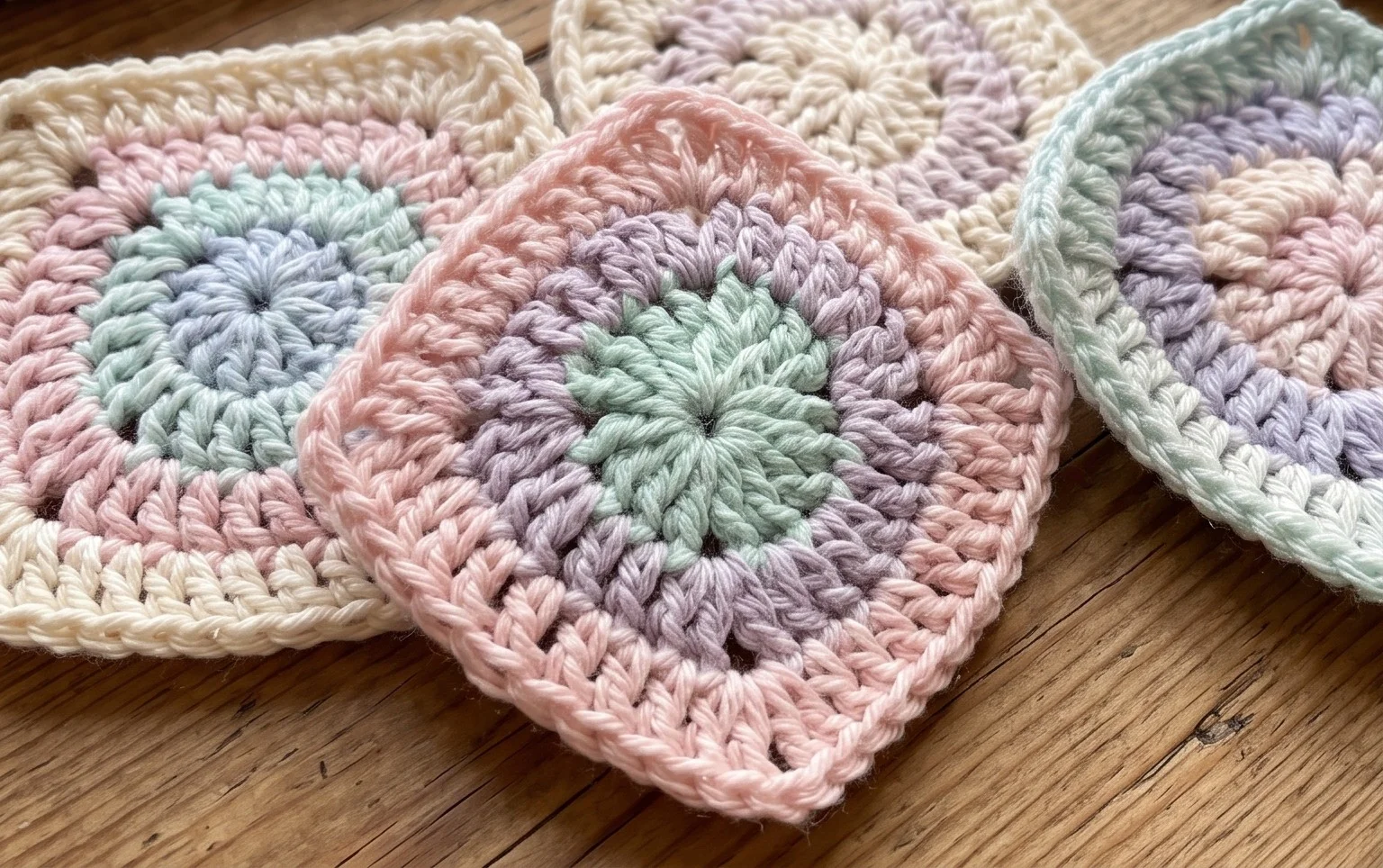
Your finished dishcloth gains a professional look when you block it lightly by pinning it to a flat surface while damp. Consider crafting a set using variegated yarn to add a splash of color to your sink area or adjust the foundation chain to create a larger washcloth for bathing. Sharing a photo of your work helps other makers see the potential in this simple project, so post your results online. You can find more free patterns and seasonal craft ideas on the main blog page for your next afternoon session.